Dr. Veselinović’s dental clinic consists of a team of dedicated, diligent and passionate professionals, educated to work in various areas of dentistry.
Maintenance of dental implant hygiene is a key factor in determining their longevity. With proper care and regular dental check-ups, patients’ implants can last a lifetime.
Top tips for maintenance of dental implant hygiene
After a patient undergoes an implant procedure (and possibly prior preparation such as a sinus lift or jawbone augmentation), it is natural to expect full commitment to ensuring long-term implant success.
Implant survival depends not only on bone quality but also on patient habits, especially those related to oral hygiene. If a patient has not followed basic oral care rules, they should start doing so immediately after implant placement.
The first step in preventing peri-implantitis and ensuring long-term implant success is a dental check-up every six months. During each visit, the oral surgery and implantology specialist examines the tissue around the implant and removes plaque if necessary. If hygiene is not at the required level, the patient receives instructions for improvement.
The specialist also checks for early signs of implant failure and evaluates whether the crown is intact and undamaged.
2. Interdental brushes
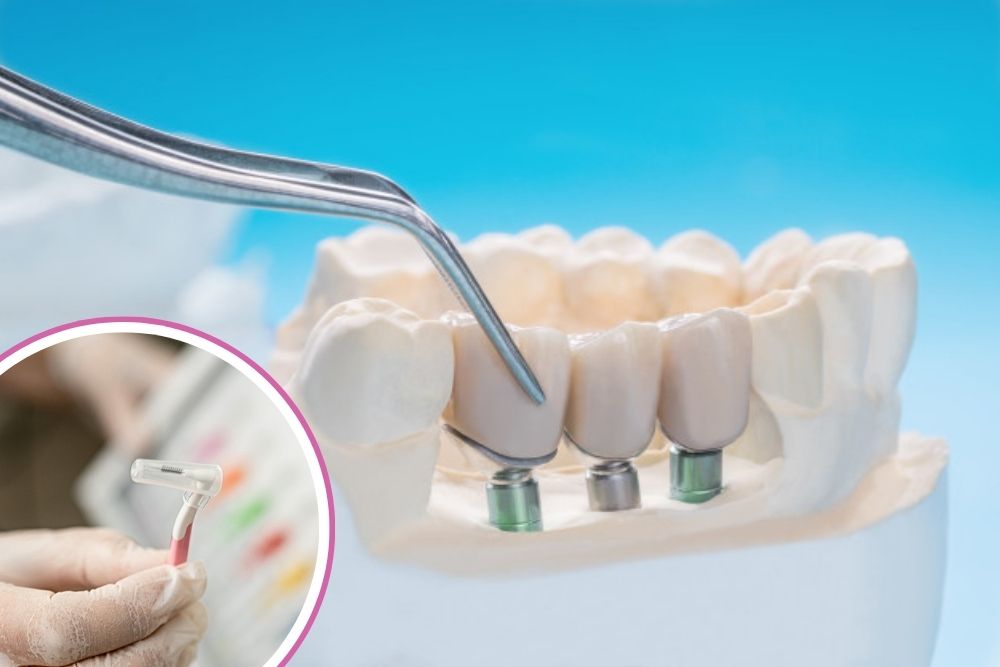
Interdental brushes should be part of a daily post-implant oral care routine. These brushes effectively clean the spaces between teeth and the area around implants.
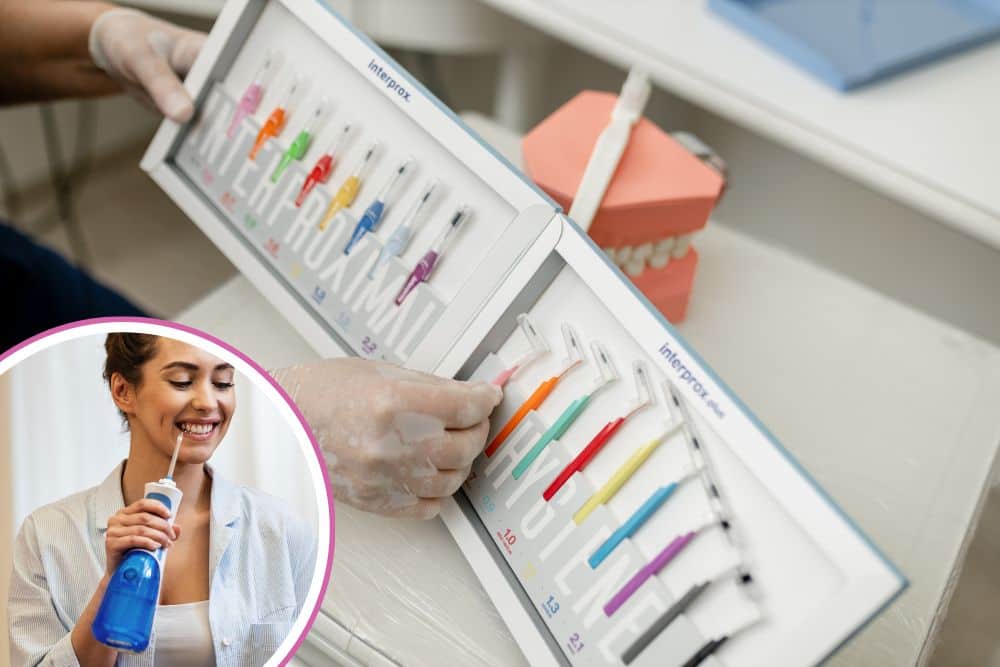
Proper size is essential. A brush that is too large or too small will not clean effectively. Different sizes are available on the market, so the patient should choose the appropriate one in consultation with a dentist.
Photo: Dental clinic Dr Veselinović / Freepik, Dražen Žigić
After each use, the brush should be rinsed under running water and then soaked in 3% hydrogen peroxide to eliminate bacteria.
Tip: Alcohol should be avoided as it may damage gum tissue.
3. Dental water flossers
Oral irrigators, also known as dental water flossers, are increasingly used for implant hygiene. These devices use a water jet to clean teeth and gums. Common brands include Waterpik, Aquapick, and Oxyjet. They effectively remove plaque and bacteria from treated areas. They are more efficient than traditional floss and gentler on the gums.
4. Ultra-soft toothbrushes
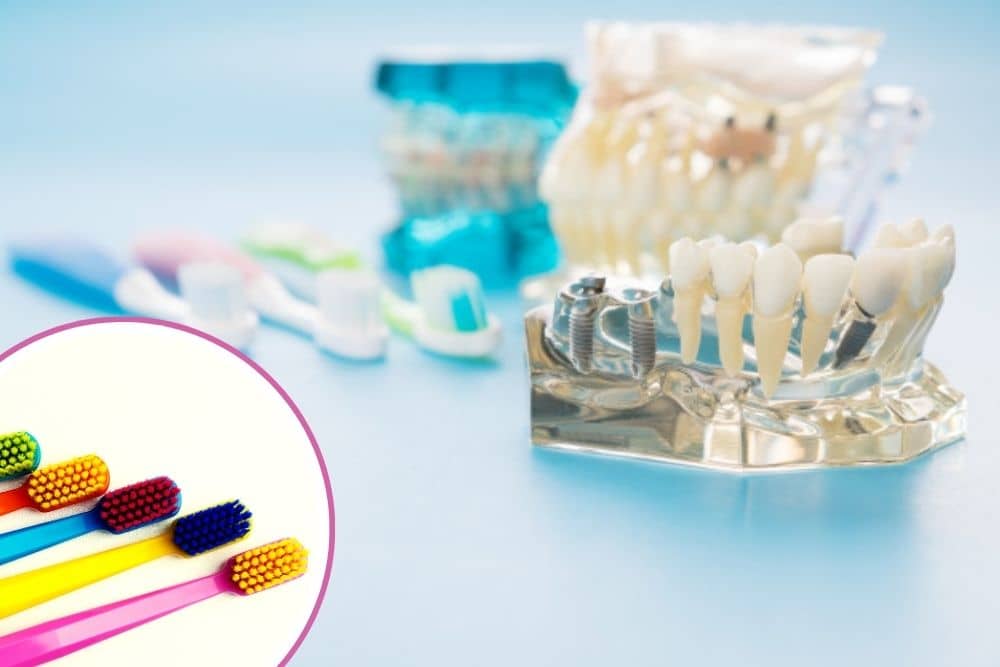
Dental prosthetic work, including implants, should be cleaned like natural teeth – at least twice a day, following the direction of tooth growth. However, implants require ultra-soft toothbrushes. These brushes prevent mechanical damage to ceramic or zirconia crowns.
Photo: Freepik
Tip: Use toothpaste with low abrasivity, specially designed for implants and prosthetic restorations.
5. Dental floss
Dental floss can be used for careful cleaning around the abutment (the connector between implant and crown). However, floss is limited compared to interdental brushes and water flossers, as it only cleans between individual teeth.
On the other hand, the other two agents can also be used when cleaning dental bridges and dentures on implants. Special implant floss products are available and make maintenance of dental implant hygiene easier.
Antibacterial mouth rinses are recommended as the final step in maintenance of dental implant hygiene. They disinfect interdental spaces, the oral cavity, tongue, and palate, helping prevent bacterial buildup. With their antiseptic effect, oral solutions reduce the risk of infection or peri-implantitis, which could endanger the implant.
When choosing a liquid for rinsing, it is best to consult with the specialist who performed the implantological intervention. He will recommend the remedy that best suits the given condition.
7. Maintenance of dental implant hygiene and avoiding smoking
Patient habits significantly affect implant longevity, including smoking. Smoking is highly harmful to implants due to its negative effect on blood circulation in the gums and bone. This is not only a hygiene issue but also a biological risk to bone and gum health.
Here, therefore, it is not only a matter of maintenance of dental implant hygiene and the fear of accumulation of calculus on the crown. But, above all the health of the gums and alveolar bone. Long-term implant care requires complete cessation of smoking.
Maintenance of dental implant hygiene – Our support whenever you need it!
In summary, patients must understand that effective oral hygiene is essential for implant preservation.
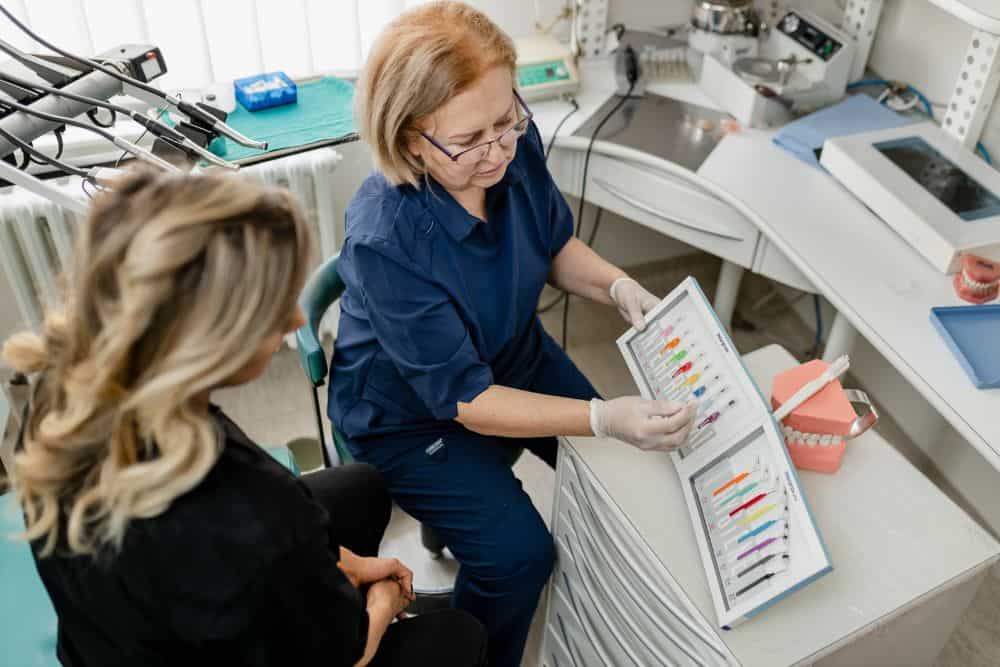
Although implants and crowns are not affected by tooth decay, peri-implantitis and infections can still develop in surrounding tissues. (Due to the action of pathogenic microorganisms.) Both diseases potentially destabilize the implant because they lead to loss of bone mass surrounding it.
Photo: Dental clinic Dr Veselinović
The specialist team at Dental clinic Dr Veselinović is always available to provide guidance and support for proper maintenance of dental implant hygiene. And, of course, prevention of complications.

Comments
[…] Read more: 7 tips for proper maintenance of dental implant hygiene >> […]