
Preprosthetic surgery
Preprosthetic surgery is a branch of oral surgery that includes a range of surgical procedures performed on completely or partially edentulous jaws.
Dentists use these procedures when prosthetic rehabilitation cannot be successfully achieved without prior surgical treatment.
The primary goal of surgical treatment is to prepare the oral tissues for the placement of prosthetic restorations (removable dentures and/or dental implants) and to correct defects caused by previous diseases.
Preprosthetic surgery – Indications for treatment
Patients require preprosthetic surgery when they do not have ideal anatomical conditions for stable dentures or successful dental implant placement.
In other words, prosthetic dentistry alone cannot provide adequate retention, stability, and long-term support for the prosthetic restoration.
Modern preprosthetic surgery successfully corrects unfavorable anatomical conditions.
By performing various surgical procedures on the surrounding soft and hard tissues, oral surgeons modify anatomical relationships. Through tissue reshaping and/or the removal of irregularities, they create a healthy foundation for a functional prosthesis.
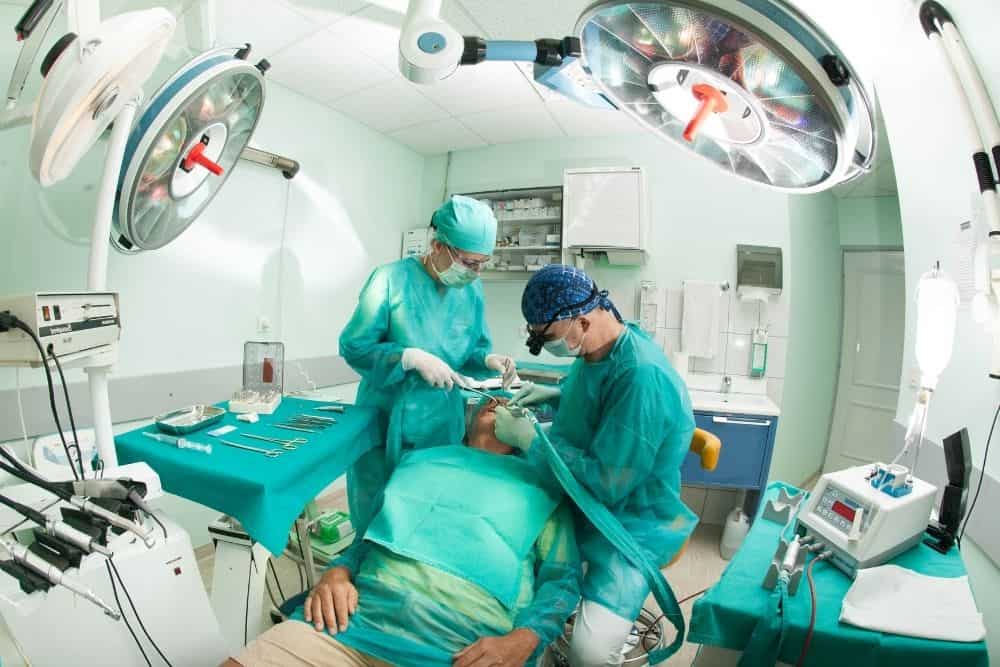
The ideal condition for achieving this outcome is a well-developed alveolar ridge with sufficient width and height. If these conditions are not present, the surgeon removes irregularities and sharp bony edges or deepens shallow vestibular fornices.
If the gingiva is excessively thick, the surgeon thins it. Likewise, a low frenulum is repositioned to eliminate any factors that may interfere with denture stability.
When is preprosthetic surgical treatment cecessary?
In some patients, normal anatomical relationships within the jaws become compromised due to:
- discrepancies between the maxilla and mandible;
- congenital or acquired changes affecting the hard and soft tissues of the alveolar process;
- advanced atrophy of the jaws and alveolar process (resulting from the absence of normal functional chewing stimuli);
- jawbone resorption;
- defects or scar tissue affecting the jaw or alveolar process (caused by trauma, tumor surgery, or severe bone infections such as osteomyelitis).
In these situations, prosthetic rehabilitation becomes significantly more challenging, making preprosthetic surgery techniques essential for successful treatment.
Common procedures include:
- frenulectomy;
- vestibuloplasty;
- alveolar ridge augmentation;
- vestibular deepening, and other preprosthetic surgical procedures.
When larger bone defects are present, surgeons reconstruct the area using autogenous mucosal grafts or bone grafts harvested from the patient’s own bone. Reconstruction can also be performed using artificial biomaterials, such as hydroxyapatite in granular form or as small blocks.
Preprosthetic surgery – Primary goal
The main objective of preprosthetic surgery is to establish proper occlusal and articulatory relationships between both jaws and their alveolar processes. By creating an ideal foundation for the prosthesis, surgeons help ensure optimal function while restoring the aesthetics of both the jaws and the face.
For this reason, close collaboration between the oral surgeon and the prosthodontist is essential.
Under what conditions is preprosthetic surgery performed?
Dental specialists typically perform all preprosthetic surgery procedures on an outpatient basis at Dr. Veselinović Dental clinic under local anesthesia.
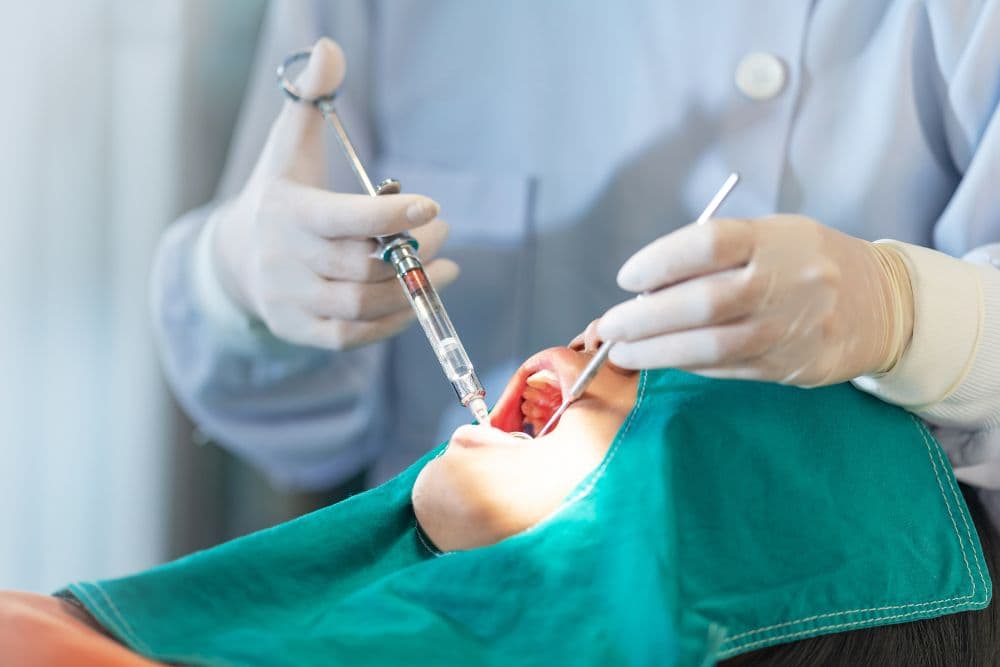
Planning surgical treatment
Treatment planning begins with a preliminary consultation and a detailed review of the patient’s medical history. The oral surgeon then performs a comprehensive clinical examination, supported by panoramic radiography (orthopantomogram) or other appropriate dental X-rays.
When complete dental arch reconstruction is planned, the dental team must first eliminate all pathological conditions and remove any factors that could negatively affect the future prosthetic restoration.
These conditions commonly include cysts, retained tooth roots, impacted teeth, dental caries, and similar pathological findings.