Dr. Veselinović’s dental clinic consists of a team of dedicated, diligent and passionate professionals, educated to work in various areas of dentistry.
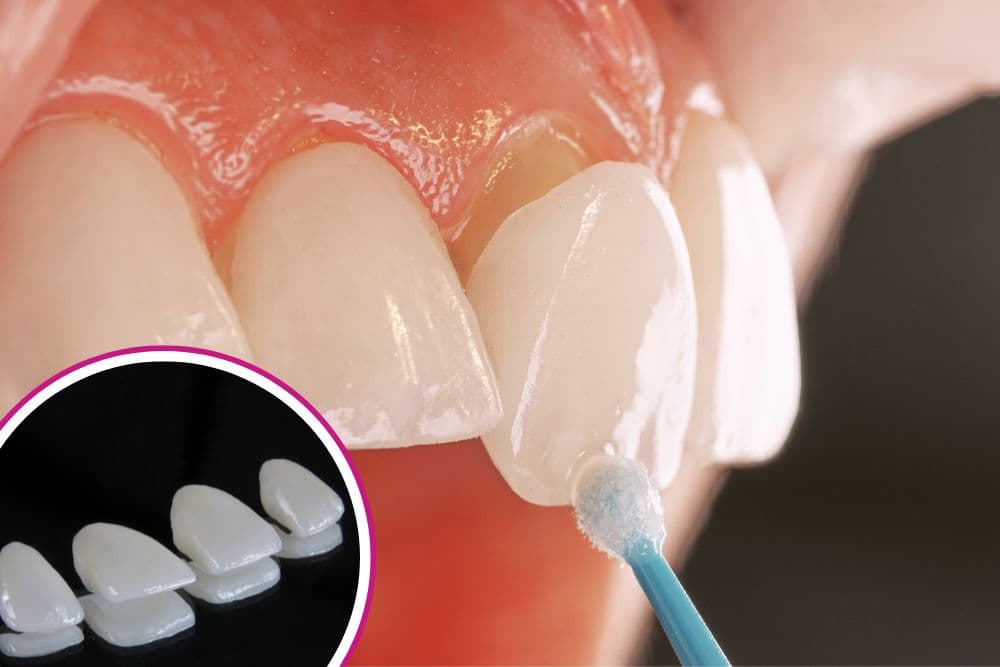
Dental veneers (facets, laminates) are thin, individually fabricated restorations placed on the front, visible surface of the upper and/or lower teeth.
They are most commonly used in cosmetic dentistry to change the colour, shape, size, or length of teeth and achieve a more harmonious smile. Unlike dental crowns, which cover the entire tooth surface, dental veneers primarily cover the front surface of the teeth.
What imperfections and irregularities can dental veneers correct?
Dental veneers can conceal or correct various aesthetic imperfections. They are most commonly used for teeth that are:
affected by minor cracks and other surface irregularities;
uneven in length (disproportionate);
slightly misaligned;
separated by small gaps (diastemas).
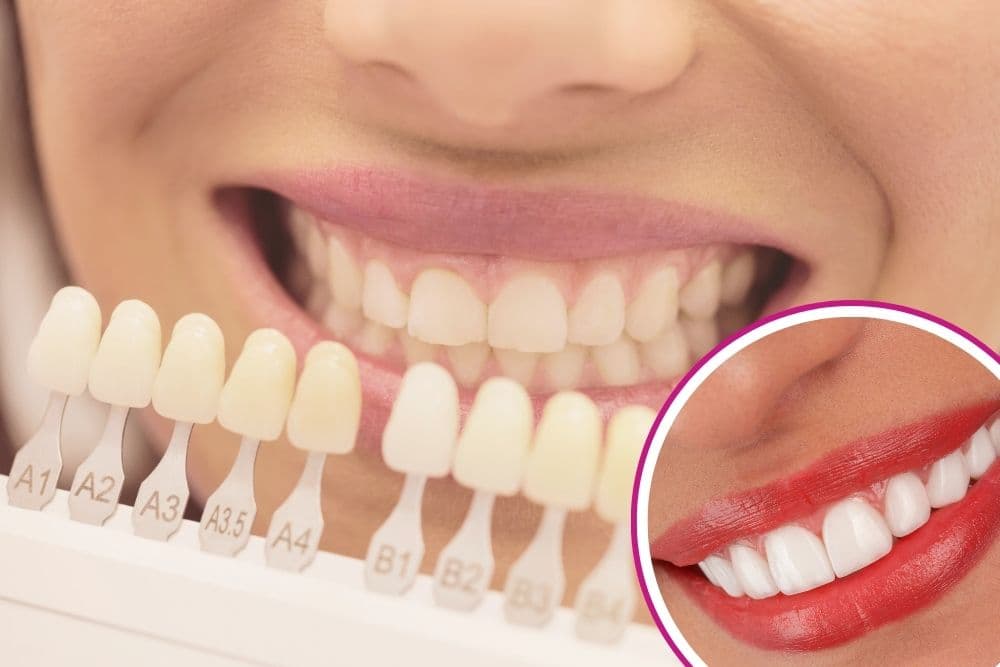
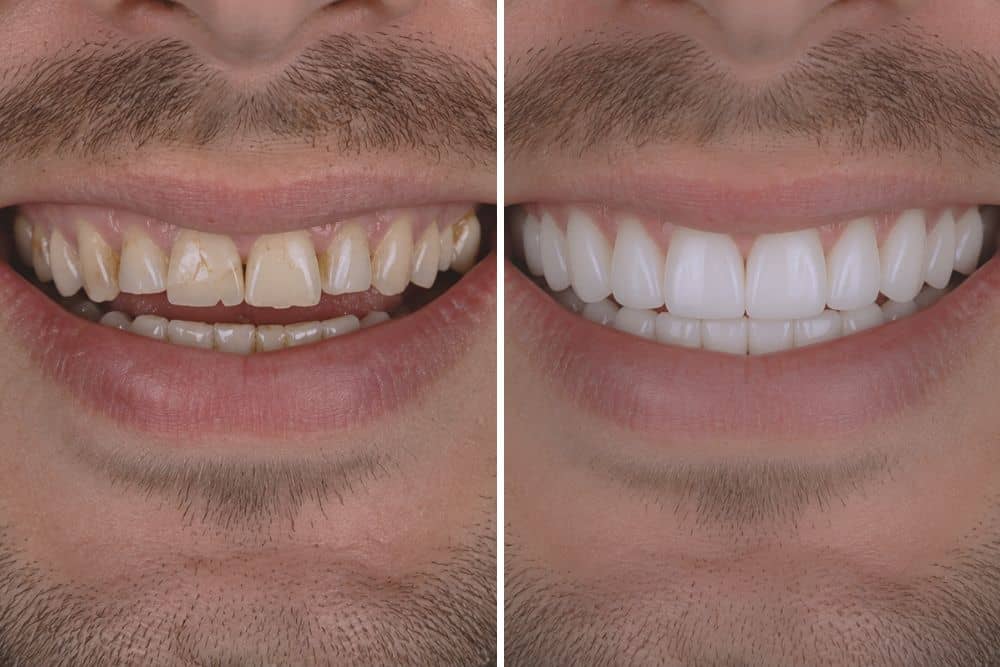
A ceramic veneer can also be a solution for discolouration that teeth whitening cannot adequately correct. It can simultaneously change the shape and shade of the teeth, resulting in a more uniform appearance of the jaws.
They are not a substitute for treating tooth decay, gum disease, severely damaged teeth, or inadequately treated infections. Before fabricating veneers, the dentist must clinically examine the teeth and gums and address any existing problems.
What do dental veneers look like, and what materials are they made from?
Dental veneers are very thin shells individually fabricated to match the shape of each specific tooth. Their thickness depends on the material, tooth position, extent and type of imperfection, and the correction required. Modern ceramic veneers can be as thin as a few tenths of a millimetre. However, no single thickness is suitable for every patient.
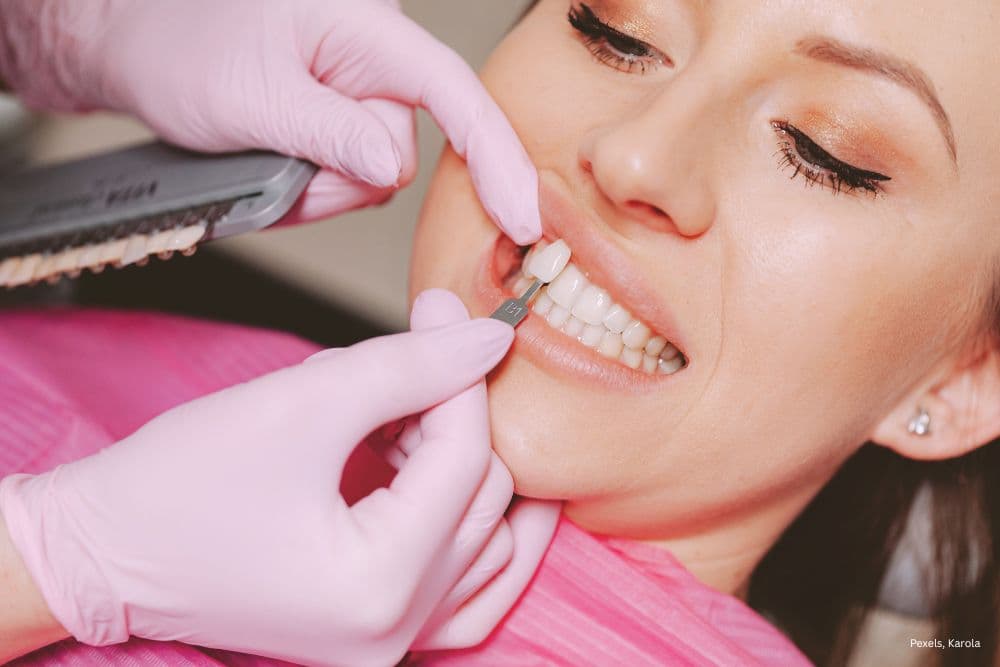
Photo: Pexels, Karola G.
Dentists use the following materials to fabricate veneers:
ceramic;
composite;
zirconia.
Ceramic dental veneers
Dentists can fabricate ceramic veneers from different types of dental ceramics, including feldspathic and lithium disilicate ceramics. These materials can closely mimic natural tooth enamel thanks to their translucency, light-reflecting properties, and ability to be individually shaped. In addition, ceramic is highly resistant to discolouration. Patients generally need 2-3 visits to the dental practice to have these veneers fabricated and placed.
Composite veneers
Dentists fabricate composite veneers from composite resins similar to those used for white composite tooth fillings. They can shape the material directly on the tooth, often completing the procedure in a single dental visit. One advantage is that composite veneers are easier to repair if damage occurs. On the other hand, compared with high-quality ceramic, composite is more susceptible to discolouration, wear, and damage.
Zirconia veneers
Dentists fabricate zirconia veneers from zirconium dioxide, a material also used to make metal-free dental crowns. Thanks to its strength and resistance to cracking and wear, zirconia may be a good choice for patients with a strong bite, increased incisal wear, or situations requiring greater resistance to mechanical stress. Zirconia veneers also offer good colour stability, helping them maintain their appearance over time. Patients generally need 2–3 visits to the dental practice for their fabrication and placement.
Placing veneers is not simply a matter of „gluing them onto the teethˮ. Achieving a long-lasting result requires careful planning and precise execution of every step.
1. Examination and treatment planning
The dentist first assesses the condition of the teeth, gums, bite, and the relationship between the teeth. They then analyse tooth colour, shape, position, and proportions.
Photo: Magnific, Wavebreakmedia_micro | Unsplash, Kamal Hoseinianzade
The dentist may take X-rays if necessary. Modern cosmetic dentistry also offers digital scanning and digital smile design, which can provide a preview of the planned tooth shapes. This allows patients to see what their teeth may look like after treatment.
2. Tooth preparation
When placing conventional ceramic veneers, the dentist usually removes a very small amount of enamel from the front surface of the teeth. The amount of tooth reduction depends on the tooth’s initial condition and position, as well as the planned final shape. Nevertheless, modern dentistry prioritises preserving as much natural tooth enamel as possible. Greater exposure of dentine is associated with less favourable outcomes and reduced veneer longevity.
The dentist prepares the teeth using highly precise diamond dental instruments. Depending on the case, they may use different burs to control preparation depth, shape the margins, and finish the surface precisely.
Minimal-preparation and no-prep veneers are also available. However, they are not suitable for every patient, and the term „no-prepˮ should not be interpreted as a universal rule. If placing a veneer without tooth preparation would result in an excessively thick or unnatural-looking tooth, removing a minimal amount of enamel may provide better aesthetic and functional results.
3. Taking impressions or performing digital scans
After preparing the teeth, the dentist makes conventional impressions or scans them using an intraoral scanner. The dental technician uses this information to fabricate custom veneers. Direct composite veneers generally do not require laboratory fabrication.
4. Veneer try-in
Before permanently cementing the veneers, the dentist checks their shape, size, colour, interproximal contacts, relationship with the gums, and bite once again. The dentist makes any necessary adjustments.
5. Preparing the teeth and veneers for bonding
Dentists use an adhesive system for ceramic veneers to establish a strong bond between the teeth and the ceramic material. They prepare the tooth surfaces using an appropriate etching procedure and apply the adhesive system. They also treat the inner surface of each veneer according to the type of ceramic used, applying a suitable ceramic primer in certain protocols.
The dentist then places the veneer using an aesthetic composite resin cement. They carefully remove excess cement and polymerise the material with a specialised dental curing light. With light-cured cement, light polymerisation hardens the cement beneath the veneer. Precise isolation of the treatment area, appropriate material selection, accurate veneer positioning, and thorough removal of excess cement all play an important role in long-term success.
Finally, the dentist checks the bite, makes any necessary final adjustments, and polishes the restoration.
The procedure differs for composite veneers. The dentist applies the composite directly to the tooth, shapes it appropriately, and polymerises it using a specialised curing light. They then finish and polish the veneer.
How long do dental veneers last?
Veneer longevity depends on the material, the quality of fabrication and cementation, the condition of the teeth, the bite, oral hygiene, and the patient’s habits. Therefore, dentists cannot guarantee the same lifespan for every patient.
Ceramic veneers generally deliver very good long-term results.
According to the findings of clinical studies conducted worldwide, as many as 95.5% of ceramic dental veneers remain in place after 10 years.
Therefore, it is incorrect to assume that dentists must automatically replace all veneers after 10 years. If a veneer remains intact, functions properly, has healthy margins, and shows no pathological changes, it may remain in the mouth for longer. On the other hand, a veneer can also become damaged earlier. The most commonly reported complications include fracture and debonding.
Composite veneers generally have a shorter lifespan than ceramic veneers and more frequently require polishing, adjustments, or repairs. Their main advantage is that dentists can repair them relatively easily.
Can tooth decay develop underneath a veneer?
Unfortunately, the answer is yes. A veneer does not, in itself, protect a tooth against decay. The natural tooth remains beneath the veneer, and decay can develop on an uncovered part of the tooth or along the restoration margin. For this reason, regular toothbrushing, cleaning between the teeth, and routine dental check-ups remain essential.
Good oral hygiene is particularly important around veneer margins and along the gumline. If plaque and bacteria accumulate in these areas, tooth decay or gum inflammation can develop.
How durable are dental veneers, and what can you eat?
A well-made ceramic veneer that the dentist cements correctly can be highly durable. However, it is not indestructible. Patients should not use their teeth to open packaging, bite their nails, or break hard objects. The same advice applies to patients with dental crowns and bridges.
Patients should also exercise caution with very hard foods and avoid applying excessive pressure with their front teeth. They do not need to eliminate apples, carrots, or harder foods from their diet entirely. However, if there is a greater risk of placing excessive stress on the veneers, it is better to grate these foods or cut them into smaller pieces and chew them with the back teeth. Patients should also avoid almonds and toasted rusks.
For patients who grind or clench their teeth at night, a condition known as bruxism, the dentist may recommend a protective night guard. Checking the bite is very important because excessive forces can cause ceramic veneers to fracture or debond.
Ceramic veneers are generally highly resistant to staining. Composite veneers, on the other hand, discolour more easily under the influence of coffee, tea, red wine, and tobacco. Therefore, maintaining good oral hygiene and regularly checking the condition of both types of restorations is essential.
Dental veneers are not “for life” in the sense that they never need replacing once the dentist places them. A ceramic veneer is a long-lasting restoration, but over time it may fracture, wear down, debond, or develop problems involving the underlying tooth. Changes in gum condition or the bite can also affect the restoration.
The most important point is that patients should never view veneers as a substitute for oral hygiene and healthy teeth.
Veneer longevity depends first and foremost on whether the patient is a suitable candidate for the procedure. Other important factors include preserving as much healthy enamel as possible, precise tooth preparation, high-quality ceramic or composite materials, proper adhesive cementation, and good oral hygiene. Current literature identifies enamel preservation and the quality of the adhesive bond as some of the key factors influencing the long-term survival of ceramic veneers.
For this reason, before recommending veneers, the dentist assesses more than just the appearance of the restored smile. They must first determine whether the teeth and gums are healthy, whether the bite is correct, whether the patient has potentially harmful habits such as bruxism, and whether the desired improvement can be achieved through this minimally invasive procedure. When the dentist establishes the correct indications and performs the procedure precisely and professionally, dental veneers can provide a highly natural-looking, functional, and long-lasting improvement in the appearance of the dental arches.
Photo: AI
If you are considering veneers and would like to find out whether they are a suitable option for you, you can schedule an appointment with the specialists at Dr Veselinović Dental clinic. After a detailed examination and assessment of your teeth and gums, you will receive individual recommendations and clear information about the treatment options that best meet your needs and expectations.